
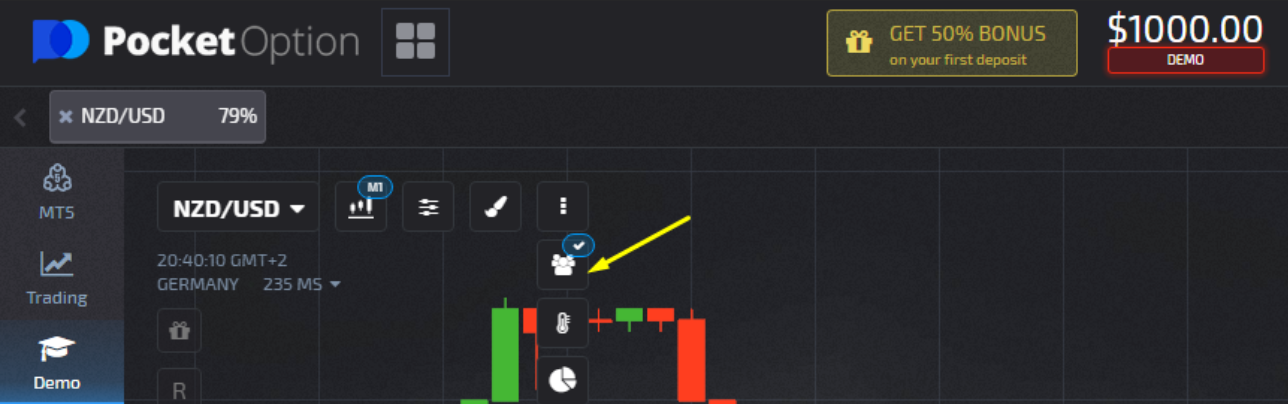
In the fluctuating world of online trading, the concern for safety and regulation is paramount. Many traders often find themselves asking is pocket option regulated is pocket option regulated? This question not only addresses the legitimacy of a trading platform but also its ability to provide a secure environment for trading activities. This article delves into the regulatory landscape surrounding Pocket Option, helping traders make informed decisions.
What is Pocket Option?
Pocket Option is a relatively new player in the trading industry, having emerged in 2017. It has quickly gained attention due to its user-friendly interface and the range of financial instruments it offers, including forex, cryptocurrencies, and commodities. The platform has implemented various features aimed at enhancing user experience, such as social trading and the ability to start with a demo account.
The Importance of Regulation in Trading
Regulation plays a critical role in the online trading world. Regulatory bodies establish standards that ensure the safety and fairness of trading environments. Traders are encouraged to verify whether a platform is regulated before committing their funds. Regulation helps protect traders from fraud and provides a mechanism for accountability regarding the practices of the trading platform.
Is Pocket Option Regulated?
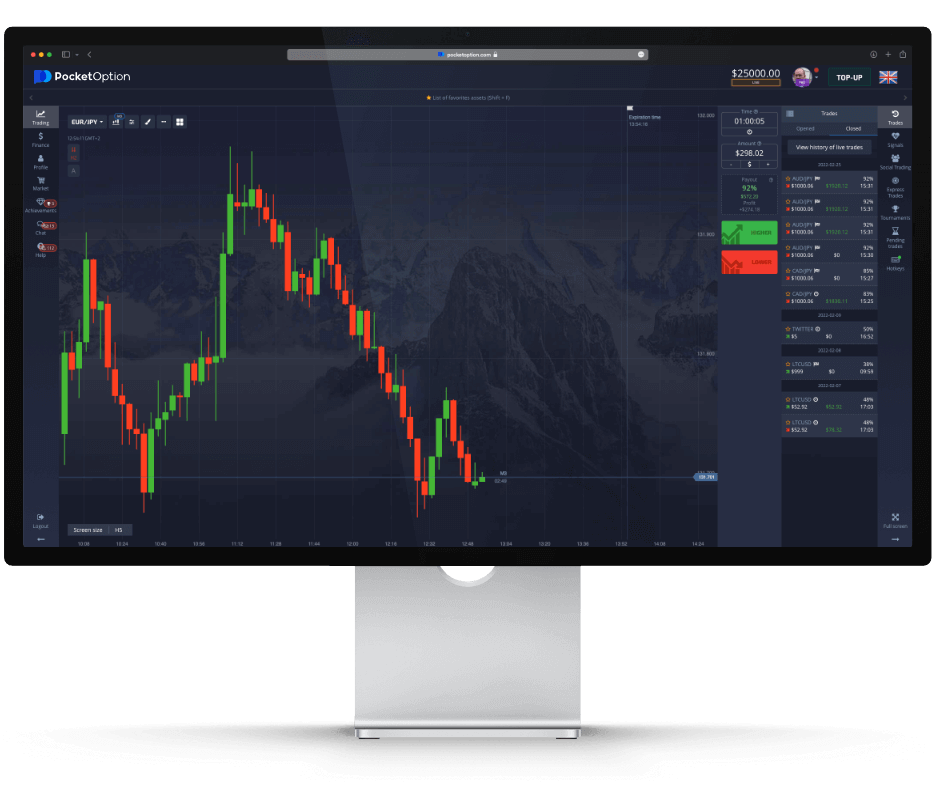
As of now, Pocket Option operates under the regulations set forth by the International Financial Market Relations Regulation Center (IFMRRC). However, it is essential to note that the IFMRRC is not universally recognized as a stringent regulatory authority compared to agencies like the Financial Conduct Authority (FCA) in the UK or the Securities and Exchange Commission (SEC) in the USA.
This non-regulatory status raises several concerns among traders when it comes to safety and security. In the absence of a commission with a robust consumer protection framework, traders might feel uncertain about their investments. It’s important for potential users of Pocket Option to be aware of these aspects and weigh their options accordingly.
Why Choose a Regulated Broker?
Choosing a regulated broker can provide numerous benefits:
- Investor Protection: Regulated brokers are required to follow strict standards which usually include protecting investor funds and ensuring fair trading practices.
- Transparency: Regulatory bodies require brokers to maintain transparency in their operations, which builds trust with clients.
- Conflict Resolution: In the event of disputes, regulatory bodies often provide mechanisms for conflict resolution between brokers and clients.
Alternatives for Trading with Higher Regulation
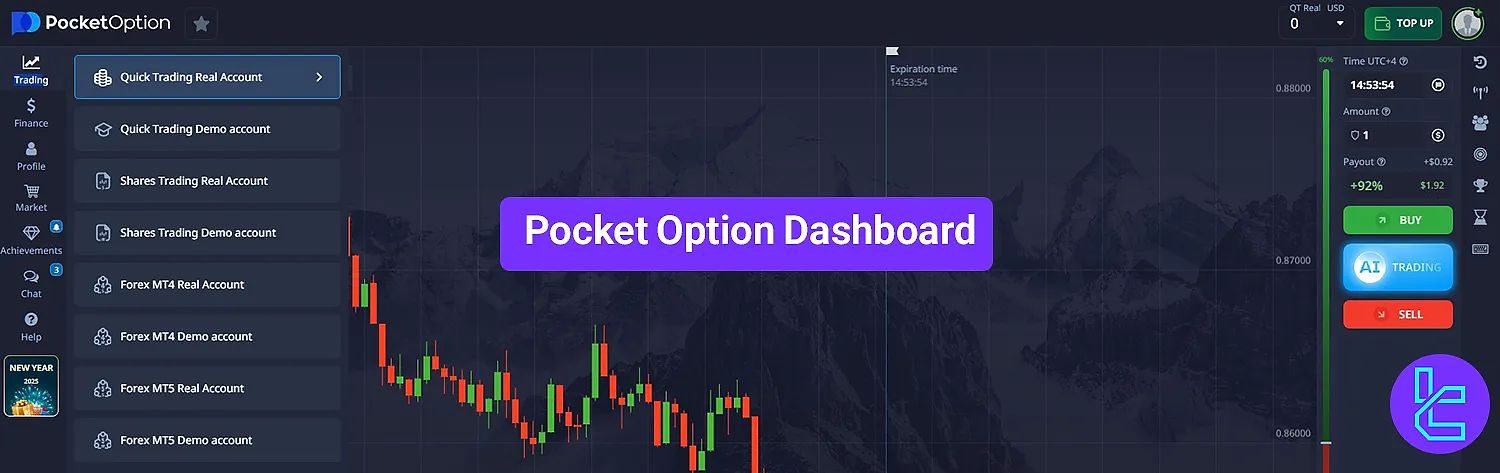
If concerns persist regarding the regulation of Pocket Option, traders may want to consider alternatives that operate under stringent regulatory frameworks. These platforms include:
- eToro: Known for its social trading features, eToro is regulated in several jurisdictions, including the UK and Cyprus.
- IG Group: A highly respected platform regulated by the FCA, providing diverse trading options with robust investor protection.
- Plus500: Offering a wide range of assets and also regulated by the FCA, it is known for its intuitive trading interface.
Trading Strategies on Pocket Option
For those who decide to trade on Pocket Option, employing effective trading strategies can enhance the trading experience despite the regulatory concerns. Here are some strategies to consider:
- Demo Trading: Utilize the demo account to practice strategies without risking real money.
- Research and Analysis: Conduct thorough analysis and research on the assets you plan to trade to make informed decisions.
- Manage Your Risks: Implement strategies such as stop-loss orders to manage potential risks effectively.
Conclusion
In conclusion, the question of is Pocket Option regulated remains crucial for potential traders. While Pocket Option does operate under the IFMRRC, it may not offer the level of assurance that other more established regulatory bodies provide. It is essential for traders to consider their risk appetite, conduct in-depth research, and stay informed about the regulatory landscapes while trading online. Ultimately, the choice of trading platform should align with individual goals, safety concerns, and trading strategies.